Web Design
Webflow Development
CMS Architecture
Limitless Scalability Through Modular CMS Architecture
Engineering a highly customisable, multi-reference case study ecosystem for Seen by Dashing, utilising a unified design system for rapid growth.






As Seen by Dashing expanded its portfolio, its internal team hit a wall. Traditional, static page templates couldn't accommodate the vastly different sizes, shapes, and narratives of their varying projects. They needed to showcase their work, but the process of building case studies was rigid, developer-dependent, and constrained their ability to tell compelling, dynamic stories about their retail marketing successes.

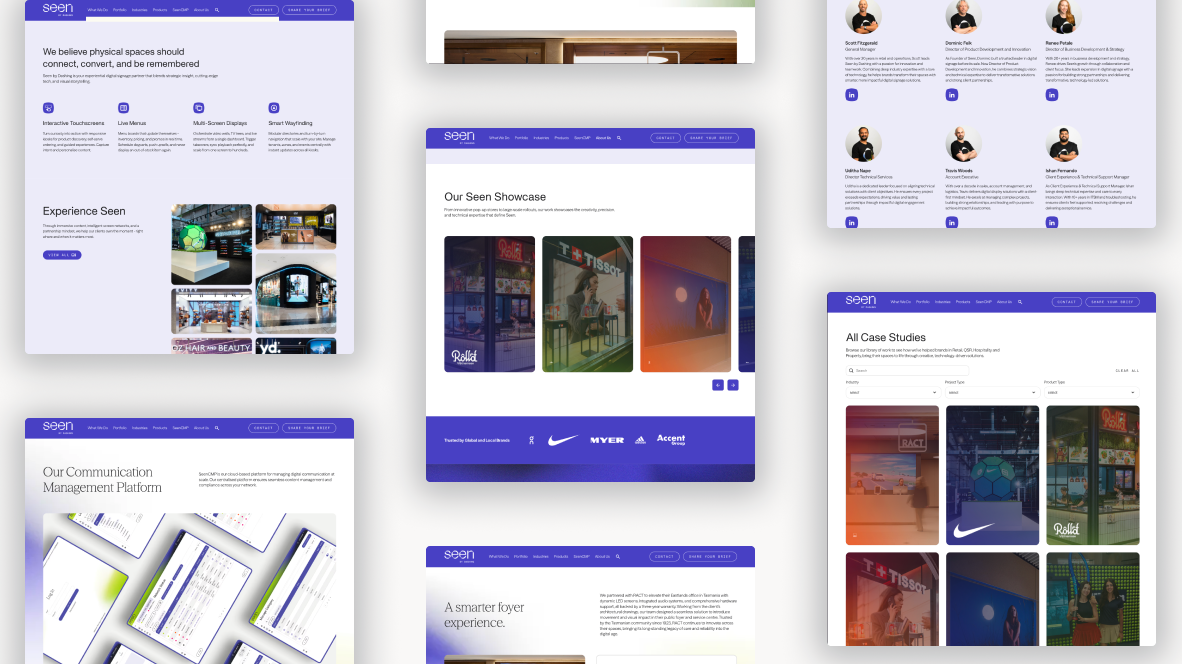
I engineered a truly modular approach to case study generation. By integrating the overarching "Dashing Design System," I created a "Case Studies Modules" multi-reference collection in Webflow. This handed the keys directly to the client, allowing them to stack, mix, and match dynamic sections infinitely. The result is a highly customizable, scalable platform where the client can build massive, media-rich pages without touching a single line of code.
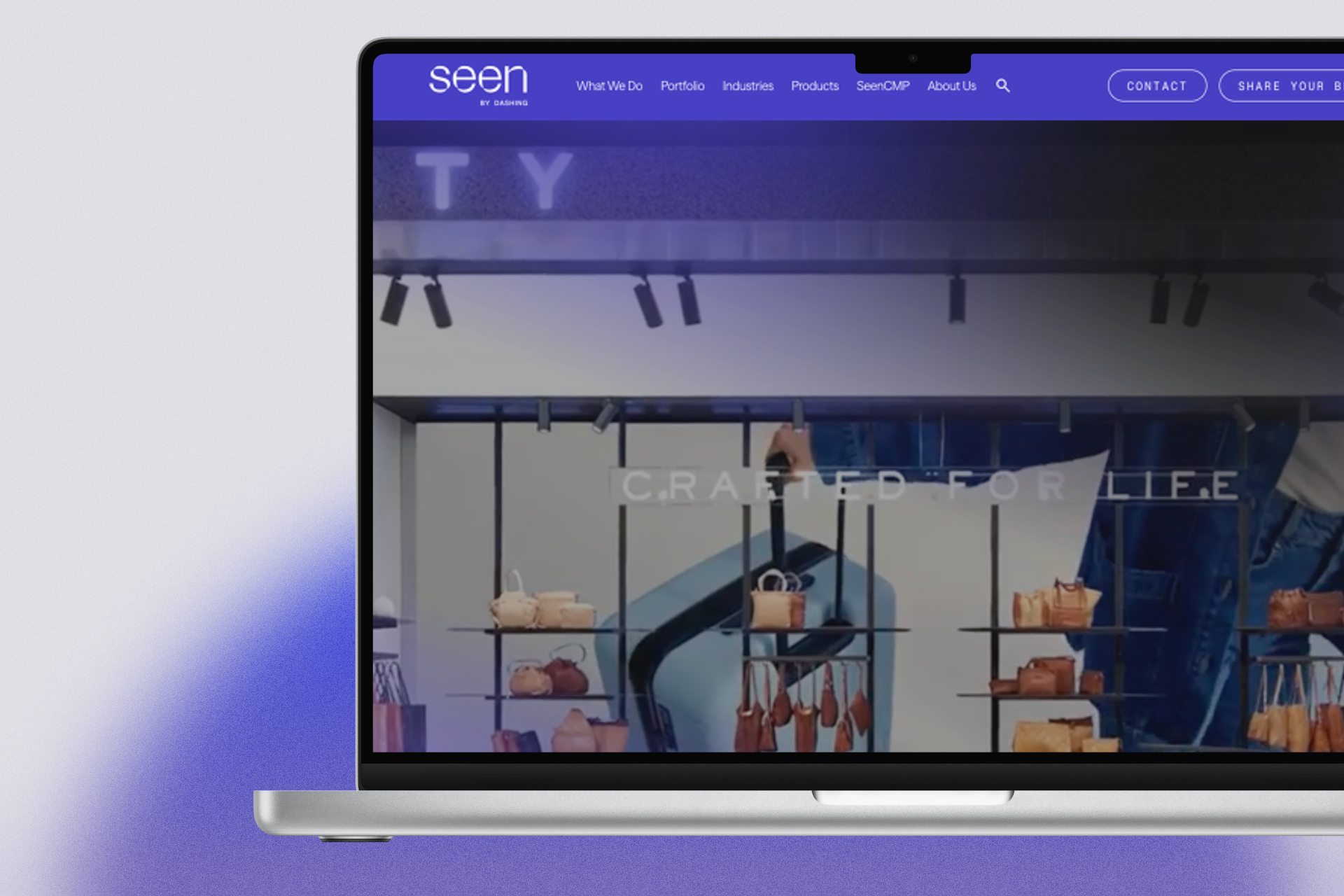

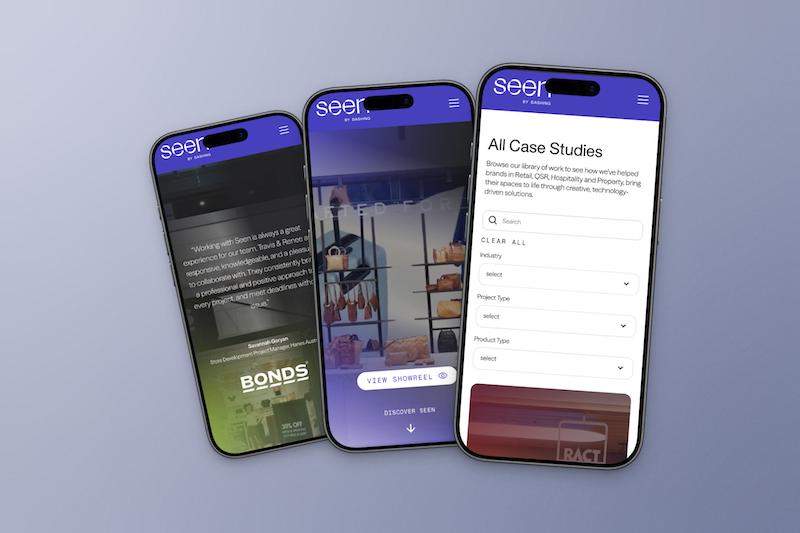
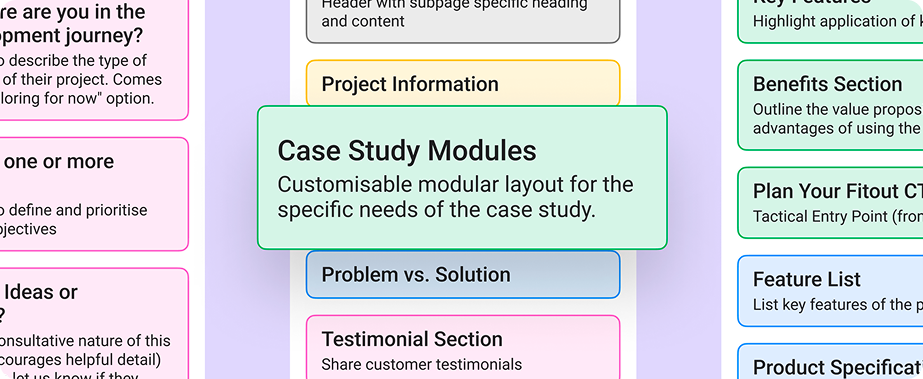
Before designing, we had to understand exactly what Seen by Dashing needed to showcase. I audited their existing project portfolio to identify the types of content they regularly produced. The goal was to map out a system that could handle everything from massive, image-heavy retail campaigns to detailed, text-driven strategic breakdowns, all while staying visually aligned with the overarching "Dashing Design System."
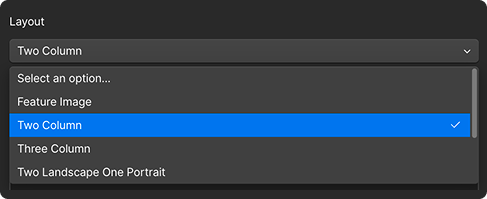
Instead of designing fixed page templates, I created a library of standalone case study modules based entirely on their actual content needs. By breaking down their past work into reusable patterns—such as media galleries, full-bleed imagery, text-and-video splits, and data grids—I ensured that no matter what type of project they published next, they had a premium, on-brand block ready to support it.
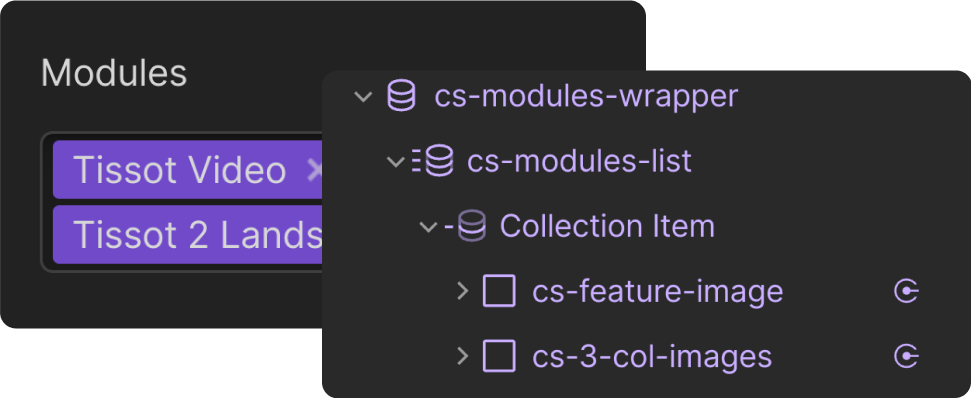
This was the technical core of the project. To break the client out of a rigid CMS structure, I engineered a multi-reference "Case Studies Modules" collection. Rather than filling out a static form with a limited number of fields, the client can now build pages dynamically within the Webflow Editor. They simply add, stack, and rearrange these multi-reference modules, making the page length and layout combinations completely limitless and scalable.
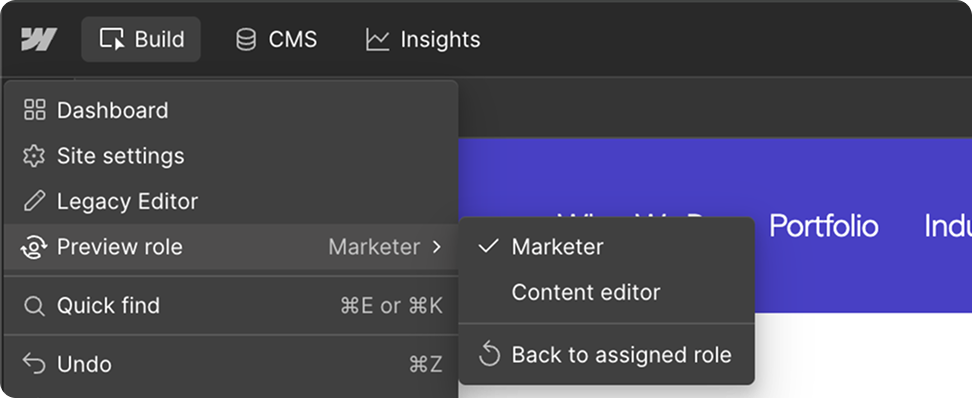
The final step was handing over the keys. I ran training sessions with the Seen by Dashing team to show them how to leverage this new multi-reference ecosystem. By shifting away from developer-dependent page builds, they are now fully empowered to generate highly customised, media-rich case studies on the fly as their business continues to rapidly expand.



As a long time colleague of Chris, we worked on many projects together. From small website designs to broad UX redesigns and product ideation, Chris was always able to handle any responsibilities assigned to him without need for constant oversight. He adapts quickly to project conditions and reliably delivers quality work. He would be a great asset to any team or project looking for someone who can do what needs to be done to raise the quality bar.